Can a Tampering with Evidence Charge Be Added to Your Case in Ohio?
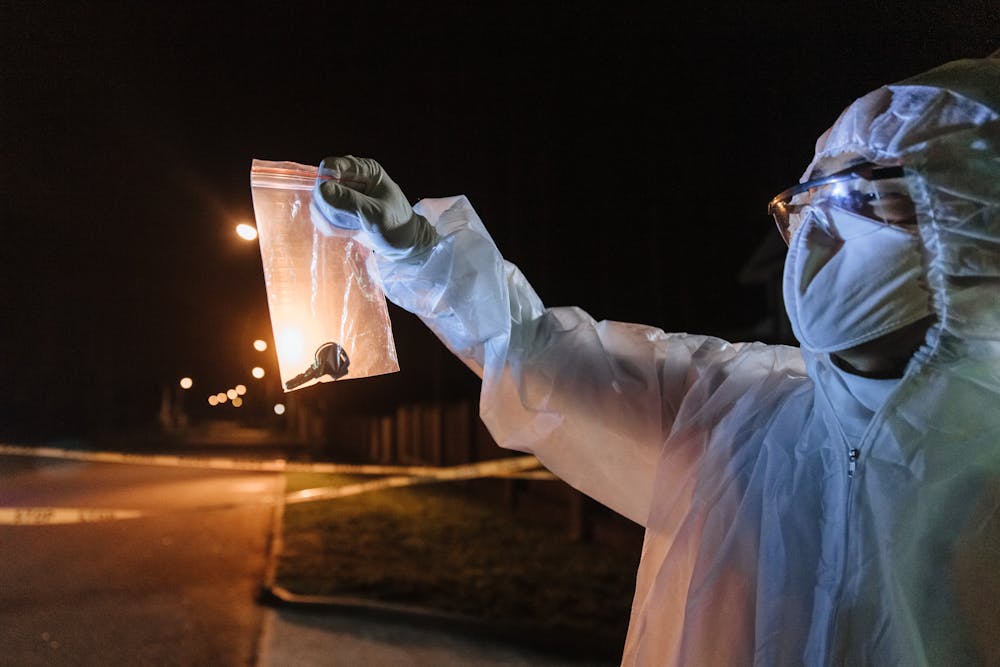
Yes, and it happens more often than most people expect. Tampering with evidence under ORC § 2921.12 is a separate felony charge that prosecutors frequently add on top of the original offense. If you destroyed, altered, concealed, or removed anything that could serve as evidence in a pending or likely investigation, the state can charge you with tampering regardless of what the underlying case is about.
The charge carries serious weight. A third-degree felony conviction means up to 36 months in prison, a sentence that runs on top of whatever you’re facing for the original offense. And because tampering is charged as a separate crime, a conviction on the underlying charge isn’t required for the tampering charge to stick.
What Does Ohio Law Define as Tampering with Evidence?
Under ORC § 2921.12(A), a person is guilty of tampering with evidence if, knowing that an official proceeding or investigation is in progress or is about to be instituted, they:
- Alter, destroy, conceal, or remove any record, document, or thing with the purpose of impairing its value or availability as evidence in the proceeding or investigation, OR
- Make, present, or use any record, document, or thing knowing it to be false and with the purpose of misleading a public official in the proceeding or investigation
The statute is broad. “Thing” covers physical objects (drugs, weapons, clothing), digital evidence (text messages, files, photos), documents (financial records, contracts), and anything else that could be relevant to a criminal investigation.
When Do Prosecutors Typically Add a Tampering Charge?
Tampering charges get added in specific patterns:
- Drug cases. Swallowing, throwing, or flushing drugs during an encounter with police is the most common scenario. If officers observe you attempting to destroy drugs or if evidence of destruction is recovered, tampering gets added to the drug charge.
- Domestic violence cases. Deleting text messages, voicemails, or social media posts after an incident can result in a tampering charge if those communications are relevant to the investigation.
- DUI/OVI cases. Refusing a breathalyzer isn’t tampering, but physically interfering with a blood draw or destroying evidence of alcohol consumption can trigger the charge.
- Theft and fraud cases. Altering financial records, destroying documents, or wiping digital files after learning of an investigation is textbook tampering.
- Any case where evidence goes missing. If the prosecution can show that evidence that should exist has been destroyed or altered, and that you had the means and motive to do it, a tampering charge may follow.
The key element is timing. The statute requires that you knew an investigation was in progress or about to begin. Destroying something before any investigation is contemplated may not meet the statutory standard.
What Are the Penalties for Tampering with Evidence?
Tampering with evidence is a felony of the third degree under ORC § 2921.12(B), carrying:
- 9 to 36 months in prison
- Up to $10,000 in fines
- Up to 3 years of post-release control
If the underlying case involves a felony, the tampering charge stacks on top of it. Courts can impose consecutive sentences, meaning you serve the tampering time in addition to the sentence for the original offense.
Even if the original charge is dismissed or results in acquittal, the tampering charge can proceed independently. The prosecution doesn’t have to prove you committed the underlying crime. They only have to prove you destroyed or altered evidence while knowing an investigation was underway.
How Is a Tampering with Evidence Charge Defended?
Tampering charges have specific elements that must be proven, and each one presents a defense opportunity:
- Challenging the “knowing” element. The prosecution must prove you knew an investigation was in progress or about to begin. If you discarded something as part of a routine (throwing away trash, cleaning a car, deleting old messages), and you genuinely didn’t know an investigation was coming, the knowledge element may not be provable.
- Challenging the “purpose” element. Even if you knew about an investigation, the prosecution must prove your purpose was to impair the evidence’s availability. If the item was destroyed accidentally, as part of normal activity, or for a reason unrelated to the investigation, the purpose element fails.
- Questioning what constitutes “evidence.” Not everything is evidence. If the item you allegedly tampered with wasn’t actually relevant to the investigation, or if its evidentiary value is questionable, the defense challenges whether the statute applies.
- Fourth Amendment challenges. If the police discovered the tampering through an illegal search or stop, the evidence of tampering itself may be suppressible. Without evidence that tampering occurred, the charge can’t survive.
- Challenging the timeline. If the alleged tampering occurred before any investigation was initiated or reasonably foreseeable, the statutory requirement of knowledge is not met. The defense examines the exact timeline of events to determine whether the knowledge element can be established.
Can Tampering Charges Be Used as Leverage Against You?
Absolutely. Prosecutors add tampering charges strategically. The additional felony count increases total sentencing exposure, which gives the prosecution leverage in plea negotiations. Facing one charge is stressful. Facing two or three is overwhelming. And that pressure is often the point.
An experienced defense attorney recognizes this strategy and uses it in reverse. If the tampering charge is weak, if the evidence doesn’t support the knowledge or purpose element, the defense can push to have it dismissed. Removing the additional charge reduces the prosecution’s leverage and improves the negotiating position on the remaining counts.
Stacked Charges Don’t Make the Evidence Stronger
Tampering charges are often added for one reason: leverage. The more counts on the indictment, the more pressure to accept a deal. We’ve seen this play from the prosecution side, and we know what it looks like when a tampering charge is built on solid evidence versus when it’s tacked on to force a plea.
We challenge every element: whether you actually knew an investigation was underway, whether the alleged evidence was truly relevant, and whether the search that uncovered the supposed tampering was even legal. If the charge doesn’t hold up, we push to get it dropped, which shifts the entire dynamic of your case.
If you’re facing a tampering with evidence charge in Ohio, contact us for a free consultation. Every charge on the indictment deserves scrutiny, and stacked charges deserve an attorney who knows how to dismantle them.
References
- Ohio Revised Code § 2921.12 — Tampering with Evidence.
- Ohio Revised Code § 2929.14 — Definite Prison Terms (Felony Sentencing).
- U.S. Constitution, Fourth Amendment — Search and Seizure Protections.
Author Bio

Robert Botnick is CEO and Managing Partner of Botnick Law Firm, a criminal defense law firm in Cleveland, OH. With over 19 years of experience in criminal law, he has zealously represented clients in a wide range of legal matters, including DUIs, misdemeanors, felonies, domestic violence, and other criminal charges.
Robert received his Juris Doctor from Cleveland-Marshall College of Law at Cleveland State University and is a member of the Ohio State Bar Association. He has received numerous accolades for his work, including the Best DUI Lawyers in Cleveland award by Expertise.com.