Will a Felony Charge Cost You Your Professional License in Ohio?
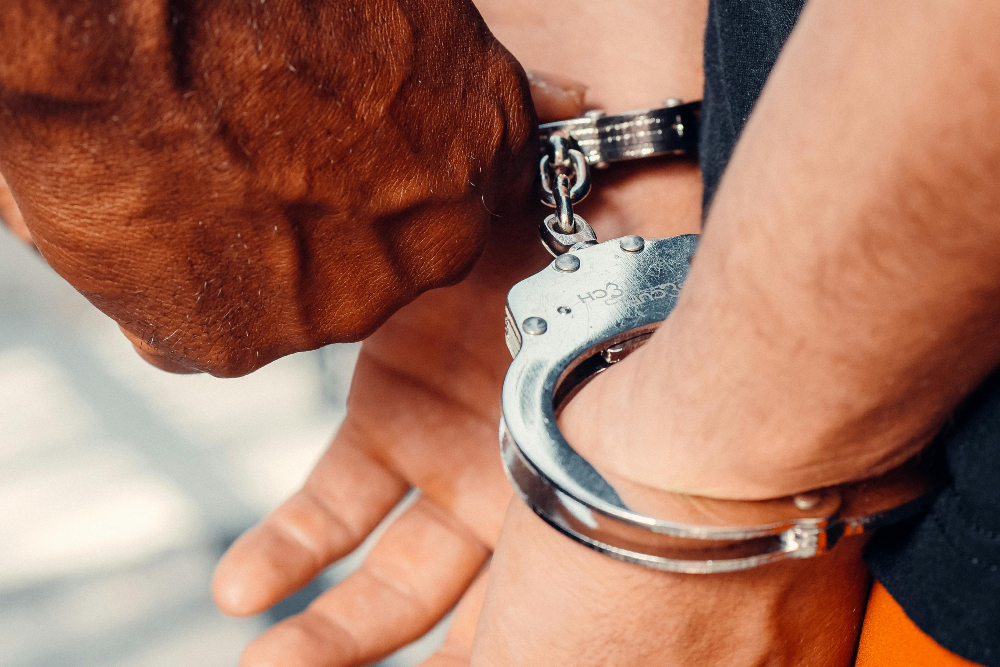
If you hold a professional license in Ohio — nursing, teaching, CDL, real estate, law, accounting, medical — a felony charge doesn’t just threaten your freedom. It threatens your career. In many cases, the licensing consequences are more devastating than the criminal penalties, because they can permanently end your ability to work in the field you trained for.
Every licensing board in Ohio has the authority to suspend, revoke, or deny a license based on criminal conduct. Some boards are required to act upon certain convictions — there’s no discretion. Others evaluate on a case-by-case basis but still have the power to pull your license even for offenses unrelated to your profession.
Here’s what most people don’t realize: the licensing consequences often begin at the charge stage, not the conviction stage. Some boards can initiate investigations based on an arrest or indictment alone. And the criminal defense strategy that protects your license may be very different from the one that minimizes your jail time. If your attorney isn’t thinking about both simultaneously, you could win the criminal case and still lose your career.
Which Ohio Licensing Boards Take Action on Felony Convictions?
Almost every licensing board in Ohio has authority to discipline licensees based on criminal convictions. But the standards, triggers, and consequences vary significantly.
Ohio Board of Nursing (OBN): The Board of Nursing has among the strictest standards. Under ORC § 4723.28, the board can suspend, revoke, or refuse to issue a license for conviction of any felony, any crime involving “gross immorality or moral turpitude,” or any misdemeanor committed in the course of nursing practice. Eleven felonies — including aggravated murder, rape, felonious assault, aggravated robbery, and gross sexual imposition — are “absolute bars” that permanently disqualify an individual from holding a nursing license. No exceptions. No rehabilitation pathway. For other felonies, the board has discretion, but that discretion often results in suspension or restriction.
Ohio Department of Education (ODE): Ohio Administrative Code Rule 3301-20-01 lists offenses that are “absolute bars” to initial teaching licensure and employment. These include murder, rape, sexual battery, and other violent felonies. For non-absolute-bar felonies, the Board of Education can still suspend, revoke, or limit a teaching license under ORC § 3319.31 for conduct deemed “immoral or unbecoming.” This is a subjective standard — the board decides whether your conduct crosses the line, and a felony conviction makes that determination much easier for them.
CDL holders: Commercial driver’s licenses are governed by both Ohio and federal law. Under FMCSA regulations (49 CFR § 383.51), a CDL holder convicted of certain felonies — including any felony committed while operating a commercial vehicle, any drug-related felony, or certain vehicle-related offenses — faces mandatory CDL disqualification. A felony involving a controlled substance triggers a minimum one-year CDL disqualification. Using a commercial vehicle in the commission of a felony triggers lifetime disqualification with limited reinstatement options.
State Medical Board of Ohio: The board can restrict, suspend, or permanently revoke a medical license for conviction of any felony, any misdemeanor committed in the course of practice, or any misdemeanor involving “moral turpitude.” According to published disciplinary guidelines, even felonies unrelated to medical practice can result in a minimum 30-day suspension and maximum permanent revocation.
Ohio Division of Real Estate: The Superintendent can refuse to issue or renew, or can suspend or revoke, a real estate license for conviction of a felony or certain misdemeanors. Drug offenses, fraud, and crimes of dishonesty are particularly problematic.
Ohio Supreme Court (for attorneys): Attorney disciplinary proceedings under the Rules of Professional Conduct can result in suspension or disbarment for felony convictions, particularly those involving dishonesty, fraud, or crimes that reflect adversely on the lawyer’s fitness to practice.
What Felonies Trigger “Absolute Bars” to Licensing?
Some convictions eliminate the possibility of holding certain licenses entirely — no hearing, no rehabilitation pathway, no discretion:
- For nursing, the eleven absolute bar felonies include aggravated murder, murder, voluntary manslaughter, felonious assault, aggravated robbery, aggravated burglary, aggravated arson, rape, sexual battery, gross sexual imposition, and kidnapping. If you’re convicted of any of these, the Board of Nursing must deny or suspend your license. Period.
- For teaching, the absolute bar list under OAC 3301-20-01 includes similar violent and sexual felonies. A person convicted of an absolute bar offense cannot obtain an initial teaching credential and cannot be employed by a school district.
- For CDL holders, certain felonies trigger mandatory disqualification under federal law, regardless of what Ohio state courts do.
Understanding whether your specific charge falls into the absolute bar category — versus one the board has discretion over — is critical to the defense strategy. If the charge is an absolute bar, the criminal defense must prioritize preventing that specific conviction at all costs, even if it means accepting a different outcome on the criminal side.
How Does a Felony Charge Affect Your License Before Conviction?
Many licensed professionals don’t realize that the licensing consequences can begin before the criminal case is resolved:
- Nursing: The Board of Nursing can initiate an investigation based on a felony charge alone. Under ORC § 4723.28, the board is notified when a licensed nurse is charged with certain offenses, and the board can impose restrictions or require monitoring while the case is pending.
- Teaching: ORC § 3319.31 authorizes the Board of Education to take action against an educator who is charged with — not just convicted of — certain offenses. A teacher can be placed on administrative leave, suspended pending investigation, or have their license limited while criminal proceedings are ongoing.
- Any profession: Most licensing boards have a self-reporting requirement. If you hold a professional license and are charged with a felony, you may be required to report the charge to your board within a specific timeframe — often 30 days. Failure to report can itself become grounds for discipline, separate from whatever the criminal charge is.
This means the criminal defense strategy and the licensing defense strategy need to run in parallel from day one. A criminal attorney who isn’t thinking about the licensing implications may negotiate a plea that resolves the criminal case favorably but triggers an absolute bar or mandatory suspension on the licensing side.
How to Protect Both Your Freedom and Your License
The plea matters more than the sentence. In professional license cases, what you plead to is often more important than whether you go to prison. A plea to a lesser offense that doesn’t trigger absolute bar provisions or mandatory board action can preserve your license even if the sentence is similar. Conversely, a plea to a specific charge — even one with no prison time — can end your career if it’s on the board’s exclusion list. The criminal defense attorney needs to know which charges trigger licensing consequences for your specific profession and negotiate accordingly.
Expungement has limits for licensing. While record sealing removes convictions from public view, some licensing boards retain the ability to access sealed records. For nursing, sealed records can still affect licensure in certain circumstances. For teaching, the absolute bar analysis may consider convictions that have been sealed. An expungement is valuable — but it’s not a guaranteed shield against licensing consequences.
A Certificate of Qualification for Employment (CQE) under ORC § 2953.25 can help. A CQE doesn’t guarantee a license, but it creates a rebuttable presumption that the individual has been rehabilitated and is suitable for employment. For licensing boards that exercise discretion — as opposed to those with absolute bars — a CQE can be the document that tips the balance.
Plea bargaining with licensing awareness. The most effective defense for a licensed professional involves an attorney who understands both criminal law and the specific licensing board’s rules. Negotiating a charge reduction from an absolute-bar felony to a non-bar offense can be the most important outcome of the entire case — more important than the prison sentence.
Diversion programs may help. If you complete a diversion program and the charges are dismissed, many licensing boards treat the outcome more favorably than a conviction. However, some boards consider participation in diversion itself as evidence of the underlying conduct — so the decision to enter diversion needs to account for the licensing implications.
What If You’ve Already Been Convicted?
If you already have a felony on your record and it’s affecting your professional license, there are still options:
- Record sealing under ORC § 2953.32 removes the conviction from most background checks and can strengthen a case for license reinstatement or issuance.
- A CQE under ORC § 2953.25 provides a formal rehabilitation credential that licensing boards are required to consider.
- For teaching, OAC 3301-20-01 provides a rehabilitation pathway for certain non-absolute-bar offenses, allowing individuals who meet specific criteria to apply for licensure.
- For nursing, the Board considers the nature of the offense, when it occurred, evidence of rehabilitation, and whether the individual poses a risk to patients.
The path back is real — but it requires documentation, preparation, and an understanding of what each board actually looks at.
Your Career Is on the Line — Get the Right Defense
The prosecutor’s job is to convict you. Trust me, I know. I was one. And I know that prosecutors rarely think about what happens to your nursing license, your teaching certificate, or your CDL when they’re pushing for a plea. That’s your defense attorney’s job — and it requires someone who understands both the criminal system and the professional licensing system.
Bobby Botnick spent seven years as a Cuyahoga County prosecutor handling felony cases. He understands how charges are filed, how pleas are negotiated, and where the intersection between criminal consequences and professional licensing consequences creates opportunities to protect both your freedom and your livelihood.
If you hold a professional license and are facing felony charges — or have already been convicted — reach out for a free consultation.
References
- Ohio Revised Code § 4723.28 — Board of Nursing Disciplinary Authority.
- Ohio Revised Code § 3319.31 — Board of Education Licensure Suspension/Revocation.
- Ohio Administrative Code 3301-20-01 — Absolute Bar Offenses for Teaching.
- Ohio Board of Nursing — Discipline.
- FMCSA CDL Disqualification — 49 CFR § 383.51.
- Ohio Revised Code § 2953.25 — Certificate of Qualification for Employment.
- Ohio Revised Code § 2953.32 — Record Sealing.
Author Bio

Robert Botnick is the Founding Partner of The Botnick Law Firm, a criminal defense law firm in Cleveland, OH. With over 20 years of experience in criminal law, he has zealously represented clients in a wide range of legal matters, including DUIs, felonies, misdemeanors, federal offenses, domestic violence, and other criminal charges.
Robert received his Juris Doctor from Cleveland-Marshall College of Law at Cleveland State University and is a member of the Ohio State Bar Association. He has received numerous accolades for his work, including the Best DUI Lawyers in Cleveland award by Expertise.com.